Cost-Benefit Analysis (CBA) for business projects and investment dealing

“The best cost-benefit analyses take a broad view of costs and benefits, including indirect and longer-term effects, reflecting the interests of all stakeholders who will be affected by the program.”

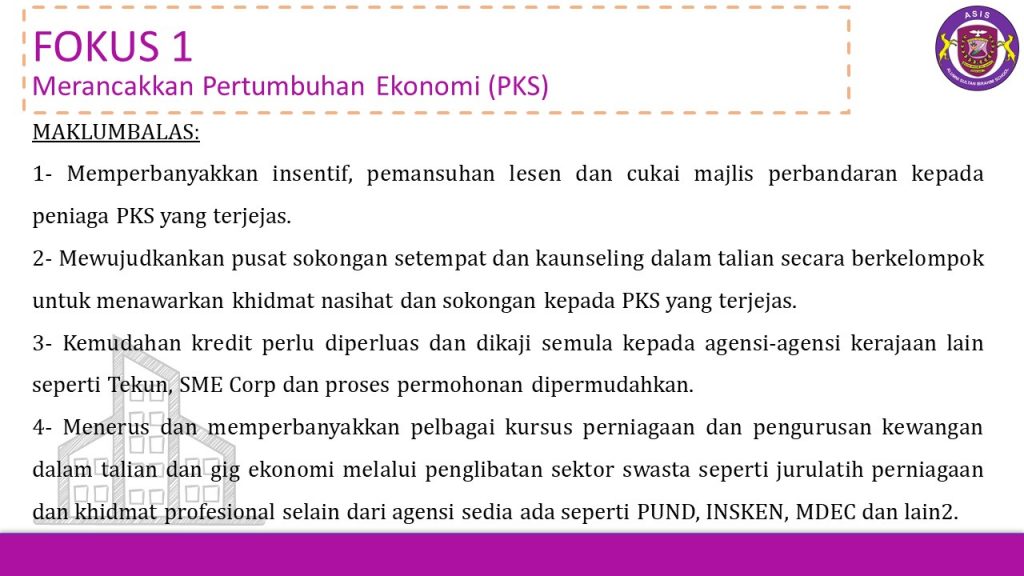
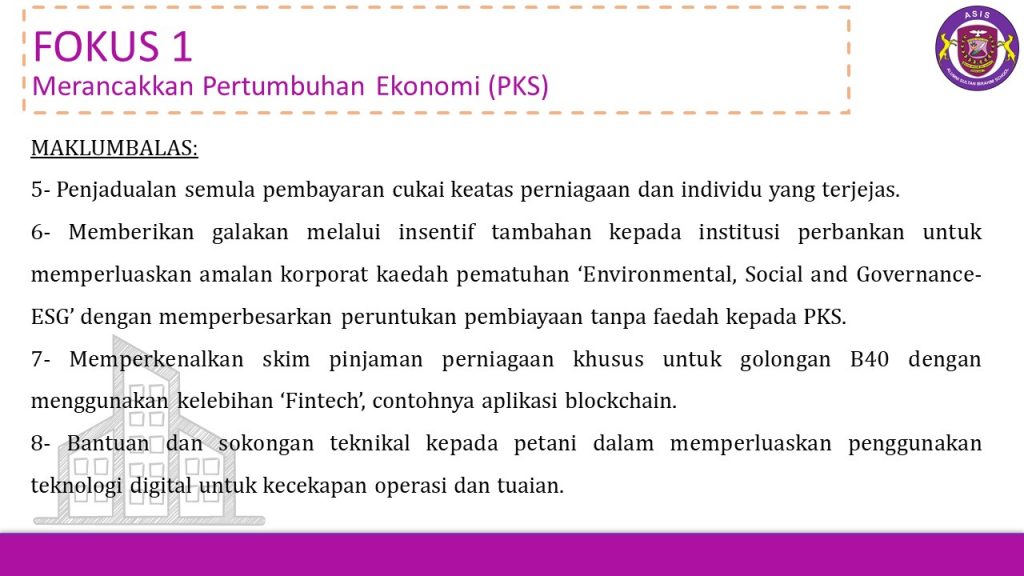
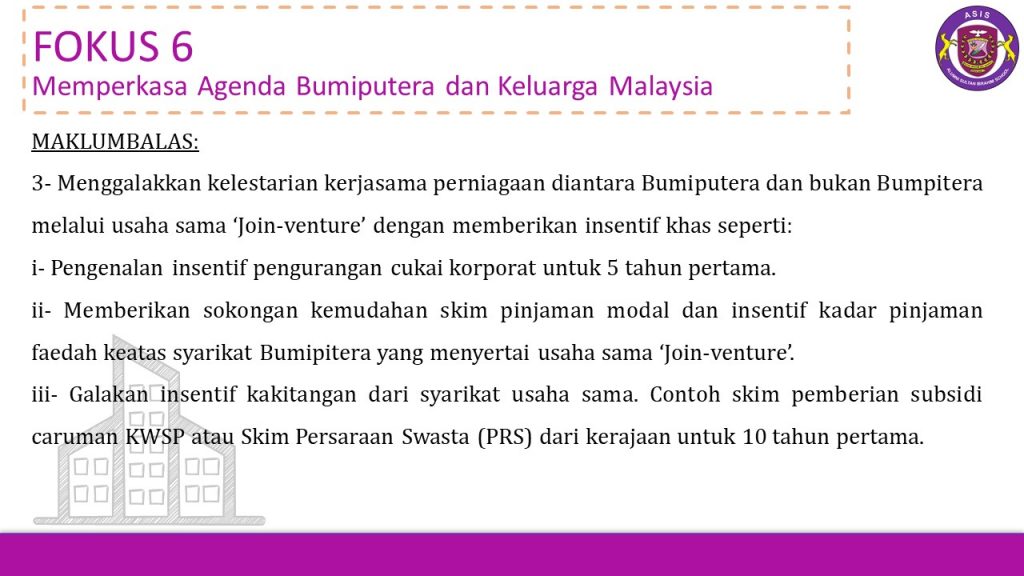
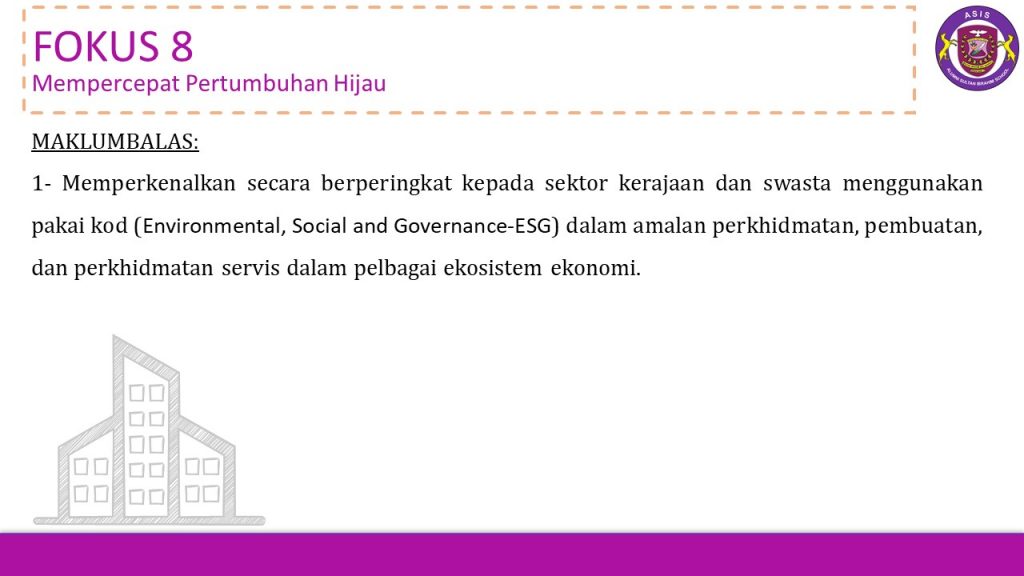
Economic and Business Analysis is like performing a check-up on a business: it assesses internal conditions, external influences and provides recommendations for improvement. The ultimate goal of economic and business analysis is to determine if a business is allocating its resources in the most effective manner. While Cost-Benefit analysis exercise can be an important component of ensuring the right governance is in place for decision-making.

Why Use Cost-Benefit Analysis?

To support decision making because it provides an agnostic, evidence-based view of the issue being evaluated—without the influences of opinion, politics, or bias.

What is the cost-benefit analysis? – Simple definition

A cost-benefit analysis is an analytical process to estimating all costs associated with the project and comparing costs to determine benefits from the proposed business opportunity. Actually, CBA is a systematic approach to calculating involved costs to determine project will get benefits, which may be expected to exceed costs over the project life cycle.

Simply the cost-benefit analysis helps to decide whether the project will be beneficial or not. The analysis may include estimation of all costs which are associated with the project. It may compare the condition should be total benefits over total costs. The positive results will drive the project for implementation from initial ideas. Normally it may deal with quantitative results for deciding whether to go ahead with the project.

FINANCIAL (COST) BENEFIT ANALYSIS

Vs.

ECONOMIC BENEFIT ANALYSIS

Vs.

SOCIAL BENEFIT ANALYSIS

What Makes Cost-Benefit Analysis Important to a business?

  • Evaluate Projects

                To determine if the project should be undertaken, a cost-benefit analysis may help to evaluate the possible risks & benefits of the project. It may be cover potential benefits of product development, resources enhancements, base processes (operational) changes, and market-related ideas. if all potential benefits are exceeding the costs, then it indicates green single for the go-ahead with project improvement.

  • Simplify complex business decisions

                It is obvious that the main purpose of the cost-benefit analysis is to help the business to make complex decisions. The fundamental of the cost-benefit analysis is its simple frameworks. It calculates for each project with a similar method that is – Total benefits, minus total costs, that is net benefits.

  • Objective-based instead of bias

                Every business has a similar issue related to bias. It can be possible business owners; directors or managers can emotionally have attached to any project that has not more appreciated profit. Cost benefits analysis will help to prioritize projects on the basis of benefits to the business. Hence, management can make the right decision at right time. That may help to eliminate the emotional elements and provides the best option for business profit.

  • Budgeting and sales forecast

                Some of the information that can be possible to collect from a cost-benefit analysis. That information may be related to overall costs and overall benefits. In line with project budgeting requirements, detailed costs can be based of it, and even figures for the sales is easy to sales forecast from project benefits records.

  • Setup the targets

                As you know the cost-benefit analysis help to estimate the project benefit from overall business processes. Even it is simple to find out the total cost of the project with the sum of individual costs from various expenses, but it is hard to predict benefits. The fact behind the benefits can be simply an estimation of the project frameworks. But overall views can be different such as product performance in the market at an actual time. However, there are options to set up the target with possible lower. Which may help to follow up accurate possible revenues from the market. Example:

i- A business wants to start manufacturing products. But it is having three different process projects ideas. Business wants to quickly decide which project is beneficial for the business. Hence, the business started a cost-benefit analysis for these three different ideas.

ii- On after calculations, the business got the total costs and benefits for all three ideas. As you can see below the table. Even, the cost-benefit ratio is also calculated on a basis of the formulation.

Basic Steps in CBA

STEP 1: Establish a Framework to Outline the Parameters of the Analysis.

  • In establishing the framework of your cost benefit analysis, first outline the proposed program or policy change in detail.  Look carefully at how you position what exactly is being evaluated in relationship to the problem being solved.  For example, the analysis associated with the question, “should we add a new professor to our staff?” will be much more straightforward than a broader programmatic question, such as, “how should we resolve the gaps in our educational offering?”

STEP 2: Identify Costs and Benefits so They Can Be Categorized by Type and Intent.

  • The primary categories that costs and benefits fall into are direct/indirect, tangible/intangible, and real

STEP 3: Calculate Costs and Benefits Across the Assumed Life of a Project or Initiative.

  • With the framework and categories in place, you can start outlining overall costs and benefits. As mentioned earlier, it’s important to take both the short and long term into consideration, so ensure that you make your projections based on the life of the program or initiative and look at how both costs and benefits will evolve over time.
  • TIP: People often make the mistake of monetizing incorrectly when projecting costs and benefits, and therefore end up with flawed results. When factoring in future costs and benefits, always be sure to adjust the figures and convert them into present value.

STEP 4: Compare  Cost and Benefits using Aggregate Information

  • Here we’ll determine net present values by subtracting costs from benefits, and project the timeframe required for benefits to repay costs, also known as return on investment (ROI).

STEP 5: Analyze Results and make an Informed, Final Recommendation.

  • Perform Sensitivity Analysis : Dr. Kaplan recommends performing a sensitivity analysis (also known as a “what-if”) to predict outcomes and check accuracy in the face of a collection of variables. “Information on costs, benefits, and risks is rarely known with certainty, especially when one looks to the future,” Dr. Kaplan says. “This makes it essential that sensitivity analysis is carried out, testing the robustness of the CBA result to changes in some of the key numbers.”
  • Consider Discount Rates
    When evaluating your findings, it’s important to take discount rates into consideration when determining project feasibility.

Results

Positive – If both increasing and decreasing the rate yields a positive result, the policy or initiative is financially viable.

Negative – If both increasing and decreasing the rate yields a negative result, revisit your calculations based upon adjusting to a zero-balance point, and evaluate using the new findings.

At FMC, we have been engaged with several high-level private as well as related government projects within ASEAN countries. Our Advisory leader provides advisory, mentoring, and training for commercial organizations conform with prudent management. Reach us at faisal@faisalmalikco.com

Mohamad Faisal C.A. (M), CIPFA, CPSA, ASEAN CPA, CFP, DPIN, HRDF Cert Trainer has wide exposure in governance, business finance, corporate advisory, personal finance, and SME development. He is a business mentor, a certified accountant, a financial planner, and a certified business mentor. He is also a ‘Business Mentoring for Mentors’ from the Entrepreneurship Development Institute of India (EDII) and ‘Entrepreneurship in Emerging Economies’ from HarvardX Business School. He was also appointed as a council member to two national professional bodies, Chairman of SMP Malaysia, Member of the National Governing Committee to MPC Professional Nexus, an Industry Advisor to three local universities. He is also the founder of FaisalMALIK & co [CA].

Corporate Governance: The Importance of the GOVERNANCE STATEMENT

The content of the governance statement

Corporate governance is the structure of rules, practices, and processes used to direct and manage a company. A company’s board of directors is the primary force influencing corporate governance.

The responsibilities of the board include setting the company’s strategic aims, providing the leadership to put them into effect, supervising the management of the business, and reporting to shareholders on their stewardship.

Globally, investors are becoming more and more aware of the risks and opportunities around ESG factors. The pressure from investors is growing for greater transparency on corporate governance, adoption, and reporting of the ESG. According to the Global sustainable investment Alliance, over USD30 trillion of assets were managed under sustainable investment strategies globally in 2018 and it grows stronger year by year.

It is essential for corporate management, investors, and directors to stay up-to-date on Malaysia and the global shifting governance landscape and how it affects them. 

The Governance Statement

Being transparent on to what extend governance risk and opportunities are incorporated into your board’s understanding of directors’ duties?

What step has your board taken to test its composition allows to be informed and differentiated debate as well as objective decision-making on climate issues?

Has the way your board embedded governance allows for effective interaction with relevant members of the executive management (e.g if governance is embedded in the risk committee, does this committee ensure that governance is also addressed by the Chief Risk Officer, Chief Internal Audit or Chief Executive Officer.

1.Profile of the Board of Director

A brief profile of the composition of the board with detailed backgrounds, experiences, the board dynamics, diversity, competitive advantage, governance, and more.

2. Board Charter

Board charter consists of organisation vision and mission statement, principal roles, and responsibilities of the board, code of conduct, conflict of interest, dealing in securities, board composition, roles of chairman and the Managing Director, board committees, appointment and roles, training, and directors development, financial reporting, risk, information, external affairs, internal control, and risk management, investors relation and shareholder communication, company secretary, auditor and other related matters within board fiduciary duties

3. Corporate Governance ESG Overview Statement

For eg a long-standing commitment to corporate governance and protection of stakeholder value, which has been integral to the Group’s achievements and strong financial profile to date

4. Audit Committee Report

Consisted of a general statement, primary purpose, committee composition, authority, functions and duties, meetings, minutes, a summary of work carried out during the financial calendar year.

5. Nomination Committee Report

The nomination and election of board members is one of the fundamental elements of a functioning corporate governance system around the world and has accordingly been chosen as the theme for the fourth peer review by the OECD’s Corporate Governance Committee. it consists of a general statement, primary purpose, committee composition, authority, functions and duties, meetings, minutes, a summary of work carried out during the financial calendar year.

6. Tax Planning

More often than not, tax planning significantly impacts a company’s financial plans, management and investment decisions.

As such, the taxation services do not only restrict to the standard annual tax return preparation and tax filing. It should be extended to constant providing tax advice, planning, and implementation strategies all year round.

With proper tax planning strategies, current and potential tax concerns can be mitigated if not eliminated.

7. Code of Conduct & Business Ethics

The Code of Conduct & Business Ethics sets out the acceptable general practices and ethics that guide the employees, often consist of accountability, non-discrimination, business communication, record keeping, confidentiality, conduct outside employment, conflict of interest, political activities, insider trading, anti-bribery, anti-money laundering, whistleblowing, conduct inn public, press release, business associates, etc.

8. Anti-Bribery & Corruption Policy

This Anti-Bribery & Corruption (ABC) Policy is to further enforce the company’s Code of Conduct & Business Ethics to ensure that employees understand their responsibilities in compliance with the company’s zero-tolerance for bribery and corruption within the organisation. To refer to Corporate Liability Section 17A write up here: https://faisalmalikco.com/due-diligence/corporate-liability-s-17a/

9. Remuneration Policy and Procedures for Directors and Senior Management

The remuneration policy for members of the Board of Directors and Executive Management reflects the interests of the shareholders and the company, taking into consideration any specific matters, including the assignments and the responsibility undertaken. In addition, the remuneration policy helps promote long-term goals for safeguarding the company’s interests.

With respect to incentive pay, reference is made to the overall guidelines for incentive pay, which have been approved at the company’s Annual General Meeting and consisted of a general statement, primary purpose, committee composition, authority, functions and duties, meetings, minutes, a summary of work carried out during the financial calendar year.

Read related article: https://faisalmalikco.com/corporate-governance-problems-and-challenges/

Mohamad Faisal C.A. (M), CIPFA, CPSA, ASEAN CPA, CFP, DPIN, HRDF Cert Trainer has wide exposure in governance, business finance, corporate advisory, personal finance, and SME development. He is a business mentor, a certified accountant, a financial planner, and a certified business mentor. He is also a ‘Business Mentoring for Mentors’ from the Entrepreneurship Development Institute of India (EDII) and ‘Entrepreneurship in Emerging Economies’ from HarvardX Business School. He was also appointed as a council member to two national professional bodies, Chairman of SMP Malaysia, Member of the National Governing Committee to MPC Professional Nexus, an Industry Advisor to three local universities. He is also the founder of FaisalMALIK & co [CA].

Our Governance and risk leader provides advisory, mentoring, and training for commercial organizations conform with prudent management. Reach us at faisal@faisalmalikco.com

Islamic Economy stands firm amidst uncertainty

Countries across the globe continue to build more robust Islamic economy ecosystems despite the Covid-19 pandemic.

Approximately 1.9 billion Muslims spent about US$2.02 trillion on food, pharmaceuticals, cosmetics, fashion, travel, and media & recreation in 2019, with an annual growth rate of 3.2%.

Unfortunately, the Covid-19 pandemic affected consumption across the globe since its first surfaced at the end of 2019. The Islamic-faith-inspired economy was not spared either, as halal spending contracted by 8% in 2020.

However, the spending is expected to pre-pandemic levels by the end of 2021, with exception of the travel industry. In the next four years to 2024, halal spending could reach USD2.4 Trillion, which represents a cumulative annual growth rate (CAGR) of 3.1%, according to the State of the Global Islamic Economy Report (SGIE) 2020/2021.

Produced by US advisory firm, DinarStandard, the report disclosed that the value of Islamic Finance Assets was expected at USD288 trillion in 2019, with this figure largely unchanged in 2020.

However, moving forward to 2024, this amount is expected to grow to USD3.69 trillion at a CAGR of 5%, predicts the annual SGIE report.

Related article the emerging demand of the ‘Syariah Audit” –> https://faisalmalikco.com/syariah-audit-and-halal-compliance-the-way-forward/